CERVICOGENIC HEADACHES
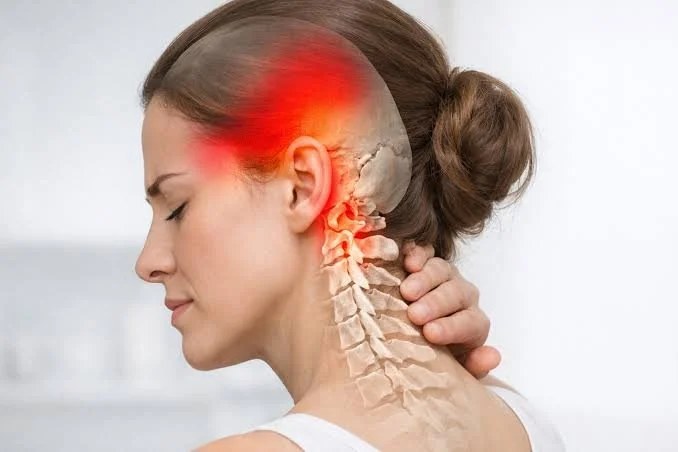
Could Your Headaches Be Coming From Your Neck?
If you suffer from recurring headaches, you might be surprised to learn that your neck could be the cause — even if your neck doesn't feel particularly sore. A condition called “cervicogenic headache” is more common than most people realise, and the good news is that physiotherapy can make a real difference.
What Is a Cervicogenic Headache?
A cervicogenic headache is a headache that originates from the neck. The joints, muscles, discs, and nerves in the upper part of your neck (the top three vertebrae, known as C1, C2 and C3) share nerve pathways with your head. When something goes wrong in that area — whether from injury, posture, or wear and tear — pain can be referred up into the back of the head, temples, or even behind the eyes.
It's estimated that cervicogenic headaches account for around 15–20% of all headaches, yet they are frequently mistaken for migraines or tension headaches.
How Is It Different from a Migraine or Tension Headache?
It can be tricky to tell them apart, but there are some key differences:
- Cervicogenic headache tends to be one-sided (always on the same side), starts at the back of the neck, and is triggered or worsened by neck movements or prolonged postures — like sitting at a computer.
- Migraine typically involves a throbbing, pulsating pain with nausea, light sensitivity, or visual disturbances.
- Tension headache is usually felt on both sides of the head, with a dull pressing or tightening sensation.
It's worth noting that cervicogenic headache can co-exist with migraine, which sometimes makes diagnosis more complex.
Who Gets Cervicogenic Headaches?
They are more common in people who:
- Have had a whiplash injury or neck trauma
- Spend long hours in sustained postures — desk workers, hairdressers, truck drivers
- Have cervical osteoarthritis or degenerative disc disease
How Does a Physiotherapist Diagnose It?
A physiotherapist trained in headache assessment will take a detailed history and perform a careful physical examination of your neck. Key things we look for include:
- Reduced neck movement — particularly rotation
- Reproduction of your headache when specific neck joints are gently pressed or moved
- Weakness of the deep neck muscles — a common finding in people with cervicogenic headache
- A positive Cervical Flexion Rotation Test — a simple, reliable test where rotation of the upper neck reproduces your familiar headache
A landmark study by Jull and colleagues showed that a three-part examination combining neck range of motion, joint assessment, and deep neck muscle testing achieved 100% sensitivity and 94% specificity for diagnosing cervicogenic headache.
Can Physiotherapy Help?
Yes — and the evidence is strong. The most effective approach combines manual therapy (hands-on treatment of the upper neck joints) with targeted exercise (strengthening the deep neck muscles and improving posture).
In a landmark clinical trial, this combined approach resulted in more than 50% reduction in headache frequency in 72% of patients, with benefits maintained at 12-month follow-up.
Treatment may include:
- Joint mobilisation or manipulation of the upper neck
- Deep neck flexor strengthening exercises
- Postural correction and movement retraining
- Dry needling to tight muscles around the neck and shoulders
- Education about posture and activity modification
When Should You See Someone About It?
See a physiotherapist if you have headaches that:
- Always start at the back of your neck or head
- Come on with neck movement or prolonged sitting
- Have been going on for weeks or months without clear cause
It is also important to seek urgent medical attention if your headache comes on suddenly and severely, is accompanied by fever, stiff neck, or neurological symptoms (like weakness, vision changes or slurred speech), or follows a head injury — these can be signs of something more serious requiring prompt investigation.